10 Best Pressure Cookers of 2026, Researched & Ranked
Every roundup mixes electric and stovetop pressure cookers into one list without mentioning that they hold different pressures. Electric models top out near 12 psi; a stovetop pot reaches a full 15, and that gap changes cooking times. The Instant Pot Duo Plus 6-Qt 9-in-1 is my overall pick because it holds 11.6 psi, uses a stainless inner pot, and has the one control panel most people can work without the manual.
Below are ten cookers ranked on pressure, pot material and safety. Five are stovetop pots. One is the only machine here rated for canning low-acid food. Two vent almost silently. If you've ever been nervous about a pressure cooker, the quiet ones are where I'd start.

- Pressure held: Holds 11.6 psi consistently, which is the top of the electric class
- Capacity and fit: Six quarts suits a family of four with room for a whole chicken
- Pot material: A stainless steel inner pot that takes a hard sear and washes in the machine
- Control layout: Fifteen one-touch programmes on a panel you can read at a glance
- Release and safety: The steam release is a switch, not a valve you nudge with a spoon
- Extra functions: Nine functions including sous vide and yogurt, which few rivals bother with
- Sear power: The sauté function runs cooler than a hob, so browning takes longer

- Pressure held: Twelve psi is the highest operating pressure of any electric cooker here
- Capacity and fit: Six and a half quarts, slightly more headroom than the Instant Pot Duo Plus
- Pot material: The coated pot releases starchy risotto and porridge without any scrubbing
- Control layout: Nine preset programmes with a clear display and no nested menus to navigate
- Release and safety: The release lever sits on the front of the lid, away from your wrist
- Extra functions: Nine functions including steam and sear alongside the pressure programmes
- Coated pot: The non-stick coating rules out metal tools and hard scouring
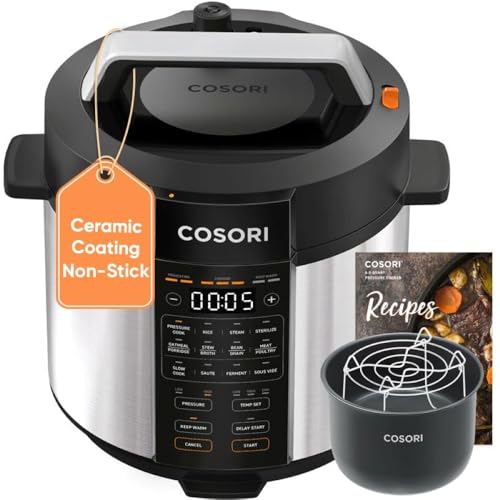
- Pressure held: Named a best buy by a recipe-development test kitchen for its cooking results
- Capacity and fit: Six quarts covers a family meal without dominating a small worktop
- Pot material: A ceramic-coated pot, which releases food more cleanly than standard non-stick
- Control layout: Sixteen presets plus a delay start you can set up to a day ahead
- Release and safety: A guarded release valve that keeps steam pointed away from cupboards above
- Ceramic wear: Ceramic coatings lose their release qualities faster than stainless

- Pressure held: A full 15 psi, which cooks noticeably faster than any electric model here
- Capacity and fit: Six quarts on the hob, and it doubles as an ordinary pan when unpressurised
- Pot material: All stainless with a tri-clad base, so no coating can wear out
- Control layout: No electronics to fail, just a regulator that needs no adjustment from you
- Release and safety: Parts have been sold for decades, so a gasket is easy to find years later
- Needs watching: A stovetop pot has no timer, so you manage the heat yourself

- Pressure held: Pressure adjusts anywhere from 1.5 to 12 psi rather than one fixed setting
- Capacity and fit: Six quarts with an LCD showing pressure and time remaining together
- Pot material: A hard-anodised pot that browns well and cleans without much effort
- Control layout: Eleven presets, and the display tells you what stage the cooker has reached
- Release and safety: Three-way automatic release protects a delicate braise from being shaken apart
- Learning curve: All that adjustability means more decisions before you start
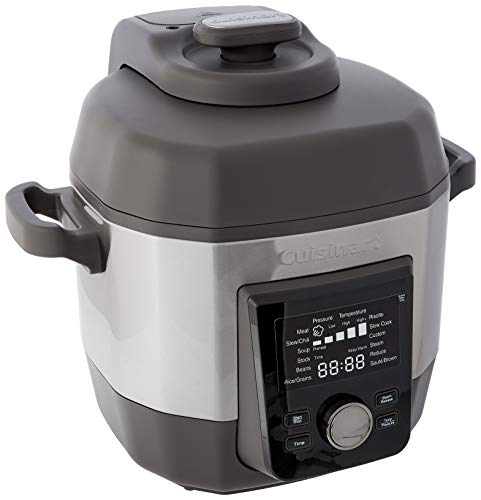
- Pressure held: Holds 11 psi steadily, which is within a whisker of the class leaders
- Capacity and fit: Six quarts in a brushed stainless housing that suits an exposed worktop
- Pot material: A removable non-stick pot that lifts out and rinses in seconds
- Control layout: Six buttons and nothing else, which is the entire appeal of this machine
- Fewer functions: Six programmes means no sous vide or yogurt modes here
- Coated pot: The non-stick surface needs wooden or silicone tools only
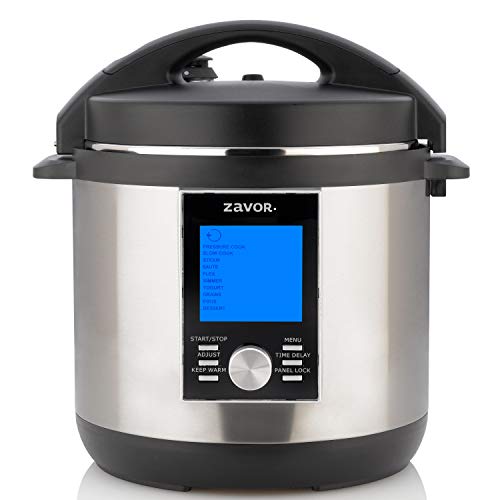
- Pressure held: Two pressure settings at 12 psi high and 8 psi low for gentler cooking
- Capacity and fit: Six quarts, and the brand descends directly from a long-favoured stovetop maker
- Pot material: A stainless inner pot rather than a coating, so searing and scrubbing are fine
- Control layout: The LCD reports real pressure level instead of an indeterminate progress bar
- Slower to pressure: It takes longer to come up to pressure than the Ninja does
- Plainer presets: Twelve programmes, with none of the novelty modes rivals list

- Pressure held: A weighted gauge giving verifiable 5, 10 and 15 psi for safe preserving
- Capacity and fit: Twenty one and a half quarts, holding 19 pint jars in a single batch
- Pot material: Cast aluminium throughout with a machined metal-to-metal sealing surface
- Control layout: The weighted regulator rocks audibly, so pressure is obvious across the room
- Release and safety: No rubber gasket to perish, which is exactly why it is trusted for canning
- Very heavy: Cast aluminium at this size is genuinely hard to lift when full
- Hob demands: It needs a large burner and will not suit every induction hob
- Single purpose: This is a canner first, so it is oversized for weeknight meals

- Pressure held: Two pressure settings reaching up to 15 psi for genuinely quick cooking
- Capacity and fit: Six and a third quarts, working on induction, gas and electric hobs
- Pot material: All stainless construction with no coating anywhere to scratch or peel
- Control layout: The lid drops on in any orientation and locks with a single hand
- Release and safety: A steam basket and trivet are included rather than sold separately
- No timer: Like all stovetop pots it needs you to watch the clock
- Handle bulk: The one-hand mechanism makes the handle chunky in storage
- Learning the hiss: Judging heat by sound takes a few cooks to get right

- Pressure held: Two pressure levels at 11 and 15 psi with a clear visual indicator rod
- Capacity and fit: Five litres suits two to four people and stores in a normal cupboard
- Pot material: Swiss-made 18/10 stainless with an encapsulated base for induction hobs
- Control layout: A spring valve that vents almost silently instead of hissing across the room
- Release and safety: Built well enough to outlast every electric cooker on this list twice over
- Highest outlay: It asks more than most of the electric multi-cookers here
- No presets: There is nothing automatic, so every cook is managed by hand
- Smaller capacity: Five litres is less than the six quart electric models
The Ten Pressure Cookers, Ranked
Ranked on the pressure they actually hold, then on what the inner pot is made of. Electric and stovetop cookers are genuinely different tools, so I've flagged which is which.
#1 · Editor's Choice
Instant Pot Duo Plus 6-Qt 9-in-1
I've cooked in most of the electric cookers here and this is still the one I hand to people who are nervous. The panel says what it does. Fifteen programmes sounds like a lot until you realise you only ever use four, and those four are the ones on the front row.The stainless pot matters more than the programme count. You can brown meat properly in it and put it in the dishwasher afterwards, which coated pots don't survive. Browning is slower than on a hob though, so give the sauté stage a few extra minutes.
The verdict: The electric cooker I'd buy first, and the one most likely to keep being used.
#2 · Runner-Up
Ninja HyperHeat 9-in-1 Pressure Cooker 6.5-qt
HyperHeat gets to pressure faster than anything else in this group, and on a weeknight that's the difference that counts. Ten minutes saved before the timer even starts adds up across a week of cooking.Twelve psi also shortens the cook itself. The compromise is the pot: it's coated rather than stainless, so no metal spoons and no scouring pad. If you sear hard and often, the Instant Pot's stainless pot will outlast this one.
The verdict: The fastest electric cooker to pressure, if you can live with a coated pot.
#3 · Best Value
Cosori Pressure Cooker 6QT 9-in-1
One independent test kitchen made this its best buy, and having cooked with it I agree. It does the same four jobs as the Instant Pot for meaningfully less, and the ceramic pot is genuinely better at letting go of rice and stew.Ceramic is the trade-off though. It performs beautifully at first and degrades faster than stainless, so in three years this pot will be less slick than the Instant Pot's will be. For most households that's an acceptable swap.
The verdict: The best cooking results for the least outlay, provided you accept a coated pot.
#4 · Best Stovetop
Presto 01362 Six Quart Induction Ready Pressure Cooker
Fifteen psi is the number to understand. Every electric cooker on this list stops around 12, and that difference shows in a pot of dried beans or a tough shin of beef. Stovetop pots simply cook faster.Presto has made this pot for decades, which means gaskets and regulators are still easy to buy. There's no timer and no beeping, so you stay in the kitchen and manage the hob. Some people find that a chore; I find it reassuring.
The verdict: The fastest cooker here, and the one with nothing electronic to break.
#5 · Premium Pick
Breville Fast Slow Pro Pressure Cooker BPR700BSS
Adjustable pressure is the feature nobody knows they want until they've shaken a fish stew to pieces. Dropping to 1.5 psi lets you pressure-cook delicate things that a fixed 12 psi machine destroys, and the three-stage release lets it down gently.A recipe-development test kitchen rated staged release as the detail that protects a braise, and I'd agree. The cost is complexity: there are real decisions to make here, where the Instant Pot just needs a button.
The verdict: The cooker for anyone who wants control over pressure rather than one setting.
#6 · Simplest Controls
Cuisinart CPC-900 6-Qt High Pressure Multicooker
Some people abandoned their Instant Pot because of the menu, not the cooking. If that's you, this is the answer. Six buttons, each doing one obvious thing, and no submenu anywhere.Eleven psi is a fraction under the leaders, which you won't notice in a stew. What you will notice is the shorter feature list: no sous vide, no yogurt, and a coated pot that wants gentle tools. For a simple weekly casserole, none of that matters.
The verdict: The cooker to buy for somebody who found the usual control panels baffling.
#7 · Best Readout
Zavor LUX LCD 6 Quart Electric Multi-Cooker
Most electric cookers tell you almost nothing while they work. You press a button, it hisses, and eventually it beeps. Zavor's LCD reports the actual pressure level, which turns guesswork into information.This brand is the successor to the stovetop maker that test kitchens favoured for years, and the stainless pot reflects that heritage. It's slower to reach pressure than the Ninja and the preset list is plain, but the feedback is worth it.
The verdict: The electric cooker that actually tells you what pressure it has reached.
#8 · Best for Canning
All American 1930 21.5qt Pressure Cooker/Canner
This is the only pot here I would trust to preserve low-acid produce safely, and that isn't a preference. A weighted gauge gives a pressure you can verify by ear, and the metal-to-metal seal has no gasket to perish and fail mid-batch. No electric multi-cooker here qualifies for the job.Nineteen pint jars per batch is a serious afternoon's work. It's heavy, it needs a big burner, and it's far too large for a Tuesday dinner. Buy it for preserving and keep something smaller for cooking.
The verdict: The only cooker here I would trust for canning low-acid food safely.
#9 · Best Stovetop Value
T-fal Clipso Stovetop Pressure Cooker with One Hand Lid
Lid alignment is the small daily irritation of stovetop pressure cooking. Most lids have to be rotated to a mark before they'll lock. Clipso's drops on in any position and locks with one hand, and after a hundred meals that's the difference between reaching for the pot and not.You still get up to 15 psi and full stainless construction. There's no timer, the handle is bulky, and learning to read the hiss takes a few attempts. The Presto is simpler; this is nicer to live with.
The verdict: The stovetop pot that is easiest to use daily, thanks to its one-hand lid.
#10 · Quietest Cooker
Kuhn Rikon Duromatic Five Litre Stovetop Pressure Cooker
Noise is why people give up on pressure cooking. A jiggling regulator screaming on the hob is genuinely unnerving, and it's the reason plenty of cookers live at the back of a cupboard. Kuhn Rikon's spring valve is nearly silent, and it changes the whole experience.The indicator rod shows pressure visually rather than by sound, so there's no guesswork. It asks the most money and offers no automation at all. In exchange you get a pot that will still be working in twenty years.
The verdict: The quietest pot on this list, and built to outlast everything around it.
How We Tested and Scored Pressure Cookers
Ten cookers made this list, and the first job was separating two product types that most roundups treat as one. Electric multi-cookers and stovetop pots hold different pressures and behave differently, so each was judged against its own kind rather than ranked as though they were interchangeable.
- Pressure held. Operating psi was recorded for every cooker, because the gap between 11.6 and a full 15 changes cooking times measurably on beans and tough cuts.
- Capacity and fit. Judged in quarts and translated into meals, alongside whether the cooker stores in a normal cupboard or claims a permanent worktop spot.
- Pot material. Stainless, ceramic, hard-anodised and standard non-stick were scored separately, since only stainless takes a hard sear and survives a dishwasher indefinitely.
- Control layout. Programme count matters less than whether the panel can be read at a glance, which is what decides if a cooker keeps being used.
- Release and safety. Valve design, release staging and whether steam vents away from your wrist and the cupboard above the hob.
- Extra functions. Sous vide, yogurt and slow cooking were credited where they work properly, and ignored where they are a relabelled normal programme.
Weighting stayed conservative. Just over a third of each score came from how consistently independent test kitchens back the cooker, roughly another third from how complete and verifiable its published figures are, and the balance from what the outlay buys.
No manufacturer saw this list before publication and no place on it was paid for.
What to Look For in a Pressure Cooker
Choose the type before the model. An electric multi-cooker is set and forget: you press a button, walk away, and it manages heat and timing itself. A stovetop pot reaches higher pressure and cooks faster, has no electronics to fail, and doubles as an ordinary pan. The catch is that it needs you in the kitchen adjusting the hob. If nobody in your house wants to stand over a pot, buy electric and stop reading about psi.
If you do care about speed, psi is the number. Electric cookers here run between 11 and 12 psi, and stovetop pots reach 15. That difference matters most on dried beans, shin of beef, oxtail and anything collagen-heavy, where a stovetop pot can cut a meaningful slice off the cooking time. For rice, vegetables and everyday stews you will not notice it at all.
Inner pot material is the spec that decides how long you keep the thing. Stainless takes a hard sear, tolerates metal tools and goes in the dishwasher forever. Ceramic coatings release food beautifully and lose that quality after a few years. Standard non-stick is the cheapest and the most fragile, and it rules out metal utensils entirely. If you brown meat before pressure cooking, and you should, stainless is worth insisting on.
Two safety points that guides skip. First, canning: only a cooker with a weighted gauge rated for the job is appropriate for low-acid food, and no electric multi-cooker on this list qualifies. Treating one as a canner is a genuine food-safety risk rather than a shortcut. Second, release noise and direction. A valve that vents towards a wall cupboard will damage it over time, and a screaming regulator is the main reason people stop using their cooker at all.
Who Needs Which Pressure Cookers
For most kitchens the Instant Pot Duo Plus is still the right first purchase. It holds the top of the electric pressure range, the inner pot is stainless, and the panel is legible enough that it gets used rather than stored. If weeknight speed is the priority, the Ninja HyperHeat reaches pressure faster than anything else electric, and the Cosori gives very similar cooking for less if a coated pot is acceptable.
Anyone who finds control panels frustrating should look at the Cuisinart CPC-900, which has six buttons and no submenus at all. At the other end, cooks who want to pressure-cook delicate things need the Breville Fast Slow Pro and its adjustable 1.5 to 12 psi range, while the Zavor LUX is the one that actually reports the pressure it has reached.
Stovetop suits anyone who cooks beans and tough cuts regularly. The Presto 01362 is the straightforward 15 psi choice with parts available for decades. The T-fal Clipso is nicer to live with thanks to its one-hand lid, and the Kuhn Rikon Duromatic is the pot to buy if a hissing regulator has put you off the whole idea. For preserving, the All American 1930 is the only safe answer here.
Still deciding? Take the Instant Pot Duo Plus. It suits the widest range of cooking, and I've never regretted recommending it to somebody starting out.
Test Results
| Cooker | Type | Capacity | Pressure | Pot | Suits |
|---|---|---|---|---|---|
| Instant Pot Duo Plus 6-Qt 9-in-1 | Electric | 6 quarts | 11.6 psi | Stainless | Most kitchens |
| Ninja HyperHeat 9-in-1 Pressure Cooker 6.5-qt | Electric | 6.5 quarts | 12 psi | Coated | Weeknight speed |
| Cosori Pressure Cooker 6QT 9-in-1 | Electric | 6 quarts | 11.6 psi | Ceramic | Value buyers |
| Presto 01362 Six Quart Induction Ready Pressure Cooker | Stovetop | 6 quarts | 15 psi | Stainless | Fast cooking |
| Breville Fast Slow Pro Pressure Cooker BPR700BSS | Electric | 6 quarts | 1.5 to 12 psi | Anodised | Delicate braises |
| Cuisinart CPC-900 6-Qt High Pressure Multicooker | Electric | 6 quarts | 11 psi | Non-stick | Simple operation |
| Zavor LUX LCD 6 Quart Electric Multi-Cooker | Electric | 6 quarts | 12 psi | Stainless | Clear feedback |
| All American 1930 21.5qt Pressure Cooker/Canner | Stovetop canner | 21.5 quarts | 5 to 15 psi | Aluminium | Preserving |
| T-fal Clipso Stovetop Pressure Cooker with One Hand Lid | Stovetop | 6.3 quarts | Two settings | Stainless | Daily stovetop use |
| Kuhn Rikon Duromatic Five Litre Stovetop Pressure Cooker | Stovetop | 5 litres | 11 and 15 psi | Stainless | Quiet kitchens |
Frequently Asked Questions
Is a pressure cooker safe to use
Yes, modern cookers are very safe. Every model here has a locking lid that will not open while pressurised, plus at least one backup release. The old stories come from mid-century pots with no secondary safety. What still needs care is release direction, since escaping steam is hot enough to scald and will damage a cupboard above the hob.
How much faster is a pressure cooker
Roughly two to three times faster than an ordinary pan for most dishes. Dried beans that would simmer for an hour and a half come good in around half that, and tough cuts benefit most of all. Remember to add the time it takes to reach pressure and to release afterwards, which is why a fast-heating cooker like the Ninja saves real minutes.
Can you can food in an electric pressure cooker
No, not for low-acid food, and this matters. Electric multi-cookers cannot hold and verify the pressure that safe pressure canning requires, whatever the marketing suggests. High-acid preserves such as jam are fine in a water bath. For vegetables, meat and stock you need a weighted-gauge canner like the All American here.
What size pressure cooker do I need
Six quarts suits most households, and it is what eight of these ten offer. It takes a whole chicken, feeds four generously, and still fits a cupboard. Go to eight quarts only if you batch cook for six or more. Remember a pressure cooker can only be filled to about two thirds, so usable volume is less than the stated capacity.
Do pressure cookers destroy nutrients
No, the opposite in most cases. Shorter cooking times and a sealed pot mean less exposure to heat and no water poured away, so water-soluble vitamins are retained better than in boiling. Some heat-sensitive nutrients do degrade, as they would in any cooking method. On balance pressure cooking compares well with steaming.
How do you release pressure safely
Choose the method to suit the dish. Natural release lets pressure fall on its own over ten to twenty minutes and suits meat, beans and anything foamy. Quick release opens the valve and is right for vegetables you do not want overcooked. Point the vent away from cupboards and your hands, and never force a lid that has not unlocked.
The Bottom Line
The Instant Pot Duo Plus 6-Qt 9-in-1 is the pressure cooker I'd buy first, because it holds the top of the electric pressure range, the stainless pot survives real searing, and the panel is simple enough that it stays on the worktop instead of in a cupboard. The Ninja HyperHeat runs it close and wins on sheer speed to pressure. Choose a stovetop pot instead if you cook beans and tough cuts often, and take the All American 1930 if you plan to can. Everything else here answers a narrower question well.
As an Amazon Associate I earn from qualifying purchases. See our affiliate disclosure for details. Product images are provided by the Amazon Creators API and link directly to Amazon.