Home & kitchen research

The spec that decides the purchase
is the one nobody prints

Doorway clearance on a sofa. Rated shelf load on a bookcase. Circulation rate on a sous vide machine. We rank home and kitchen equipment on the measurements that actually settle a decision, and we say plainly when a well-reviewed brand cannot be bought at all.

Browse the guides How we work
11Guides published
110Products ranked
6Criteria per guide
2Editors, split by room
The guides

Eleven rooms, eleven shortlists

Each guide ranks ten products against six named criteria, and says which brands had to be dropped because they are not genuinely buyable.

Method

How a shortlist gets built

Three stages, in this order, and a product can fall out at any of them.

01
📐

Start from what fits

Before performance, we check the physical constraint that ends most purchases: assembled width against a door frame, cabinet run against a machine, clearance around a table once the chairs move.

CONSTRAINTS FIRST
02
🔎

Read the measured data

Published laboratory figures beat marketing claims every time. Where a lab has verified a pint rating or an airflow number, that verified figure is what we rank on, not the one on the carton.

VERIFIED FIGURES
03

Cut what cannot be bought

A guide is useless if half its picks are unavailable. Anything that resolves to a competitor's product, a spare part or a dead listing comes out, and we record why it went.

AVAILABILITY CHECK
Questions

Before you use these guides

What we rank on, what we leave out, and how the site pays for itself.

Why do your picks differ from the big review sites?

Because we only rank equipment that can actually be delivered. A great many of the sofas, dining tables and dishwashers that dominate mainstream testing are sold direct by the maker, or list only spare parts and detergent through the channel we use. Those brands come out of our lists, and separate research goes into finding what genuinely ships instead.

Do you test every product yourselves?

No, and we would not trust anyone who claimed to for eleven categories. Our ranking is research-led: published laboratory measurements, manufacturer documentation and the recurring themes in long-term owner threads, combined with hands-on experience of the categories we live with. Where a figure is a manufacturer claim rather than a verified measurement, we say so.

Why is a cheaper product sometimes ranked above a dearer one?

Because the criteria are fixed before the shortlist is drawn. If a mid-range machine holds temperature as tightly as a premium one and its filters cost less to replace, it ranks higher. We describe spending in tiers, from entry-level through mid-range to premium, and never on the basis of a figure that changes weekly.

How does Wainscot make money?

Through affiliate links. As an Amazon Associate we earn from qualifying purchases, which costs you nothing extra and does not change where a product places. Rankings are set before any link goes in, and a product that fails a criterion stays out however well it might convert. The full terms are on our affiliate disclosure page.

WD
The Wainscot Editorial Desk
Sarah Collins and Hannah Brooks
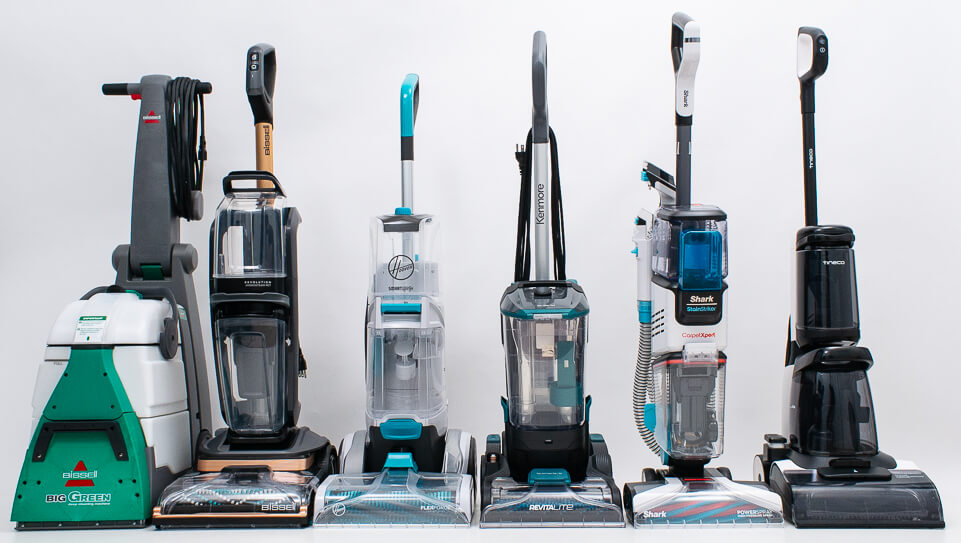
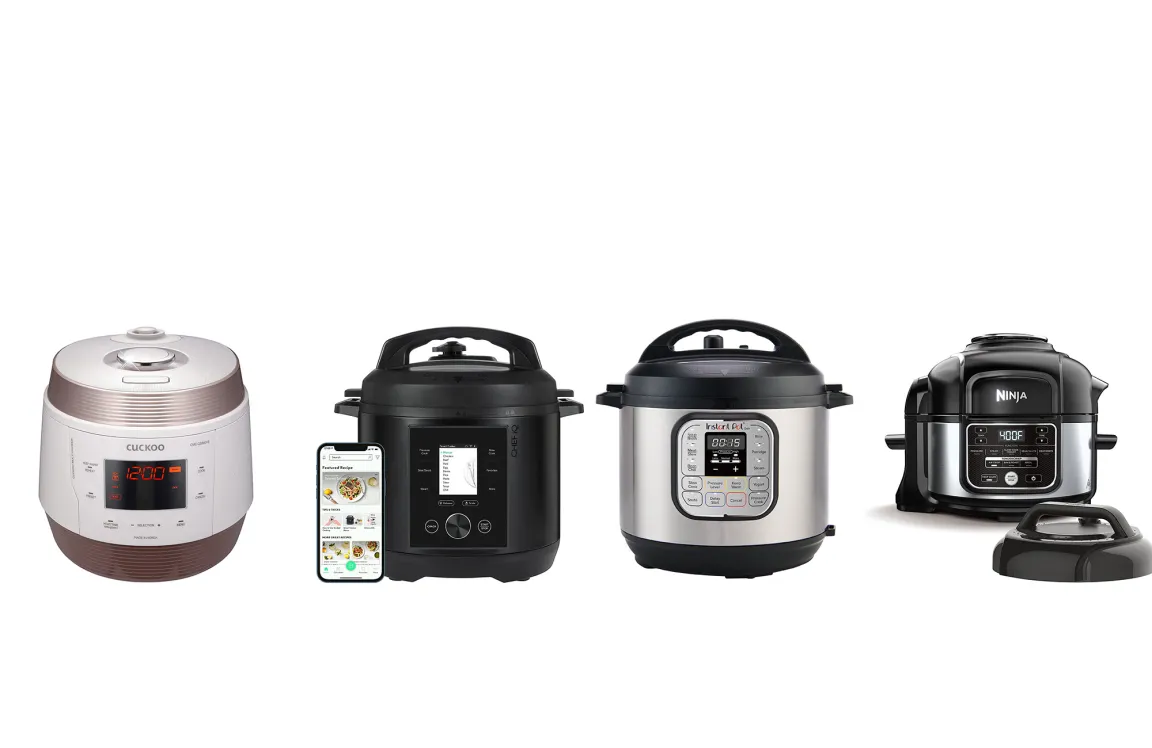
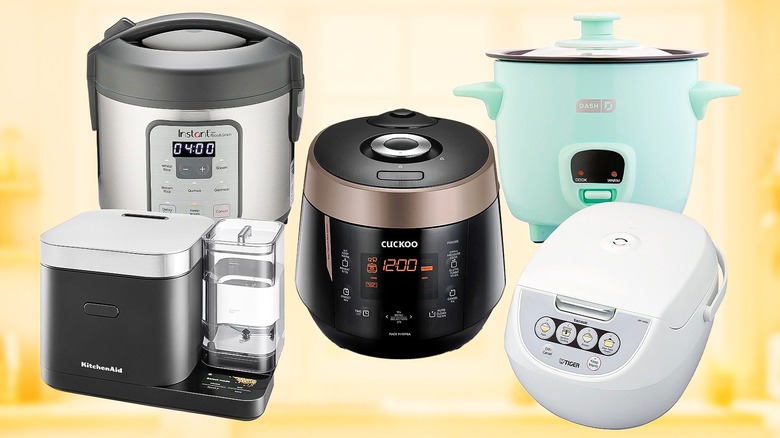
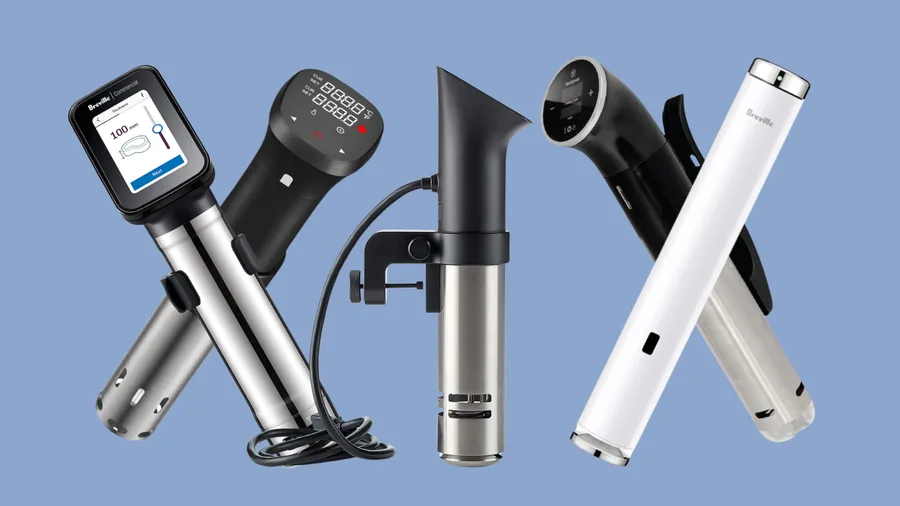
Wainscot is written by two editors who split the house between them. Sarah Collins takes the rooms you sit and sleep in, which means sofas, dining tables, bookshelves, chairs and the machines that manage air and carpet. Hannah Brooks covers the kitchen, from dishwashers through to pressure cookers, rice cookers and immersion circulators. Neither of us ranks anything on a spec sheet alone. Every guide starts from published laboratory testing and manufacturer documentation, then throws out any product that cannot actually be delivered to a front door, which in furniture and major appliances removes a surprising number of the names other guides recommend.